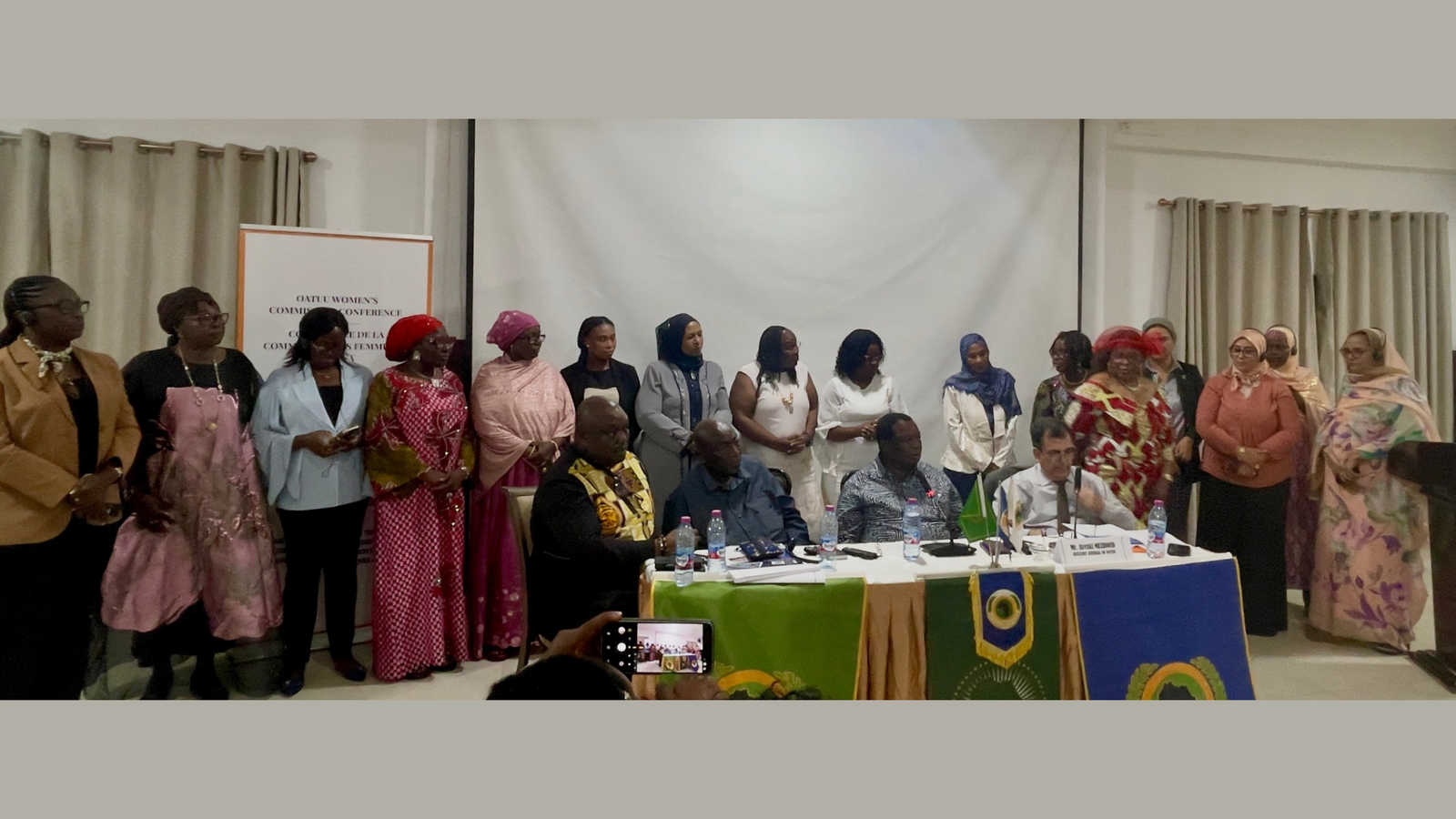
The Organisation of African Trade Union Unity (OATUU) has hosted its Women’s Conference in Accra, Ghana, from 3rd to 4th November 2026, under the theme, “Gender Equality, Equality of Treatment and Opportunities for All in the Context of Digitalisation and Technological Advancements.” In attendance was OATUU Vice-President, Mr Joshua Ansah; Special Guest of Honour, Former AUC Chairperson, Dr. Nkosazana Dlamini-Zuma; and Ms. Gifty Joyce Oteng Bosomprah, who represented Ghana’s Minister of Labour, Jobs and Employment. The ILO Director-General, Mr Gilbert F. Houngbo, also delivered a video message.
The conference brought together women trade union leaders and representatives from across Africa, alongside representatives of the International Labour Organization (ILO) and other partners, to examine gender equality, women’s leadership and the implications of technological advancements for the future of work.
In his welcome address, OATUU Vice-President, Mr Joshua Ansah, emphasised that access to digital technology alone does not guarantee equal opportunities for women. He called for stronger collective bargaining, social dialogue and women’s participation in leadership to ensure that technological progress translates into social progress.
OATUU Secretary-General, Mr Arezki Mezhoud, reaffirmed the organisation’s commitment to women’s empowerment and leadership, recalling the establishment of the OATUU Women’s Commission at the organisation’s Third Congress in Mogadishu in October 1981.
In her address, Dr Dlamini-Zuma called for women to move beyond being consumers of technology to becoming creators and innovators. She stressed the importance of equitable access to education, digital infrastructure and opportunities, as well as institutional commitment to measurable progress in women’s empowerment.
The conference featured technical presentations and training sessions facilitated by specialists from the ILO’s Bureau for Workers’ Activities (ACTRAV). The presentations examined the impact of digitalisation and artificial intelligence on African labour markets, the digital gender divide, women’s access to decent work and the challenges facing women workers in conflict-affected and vulnerable communities. Discussions also addressed algorithmic discrimination, online gender-based violence, informal employment and the need to strengthen labour protections in the changing world of work.
Participants shared experiences and proposed recommendations, including expanding digital literacy, improving access to technology and financial services, strengthening social protection and promoting women’s representation in trade union leadership and decision-making.
The conference also held elections for the leadership of OATUU’s Women’s Commission, resulting in the election of new officers to steer the Commission’s work and strengthen its role in advancing the interests of women workers across Africa.

